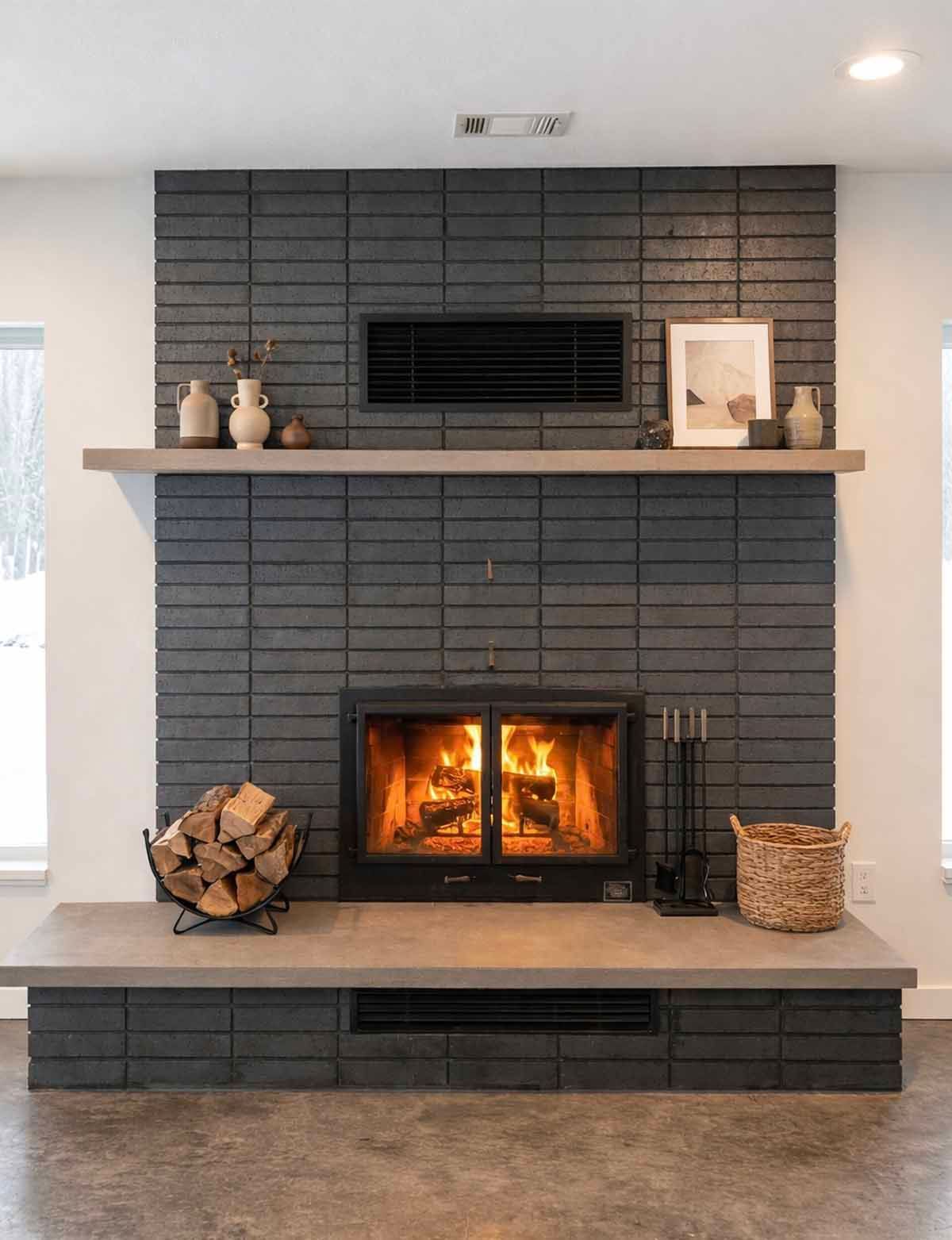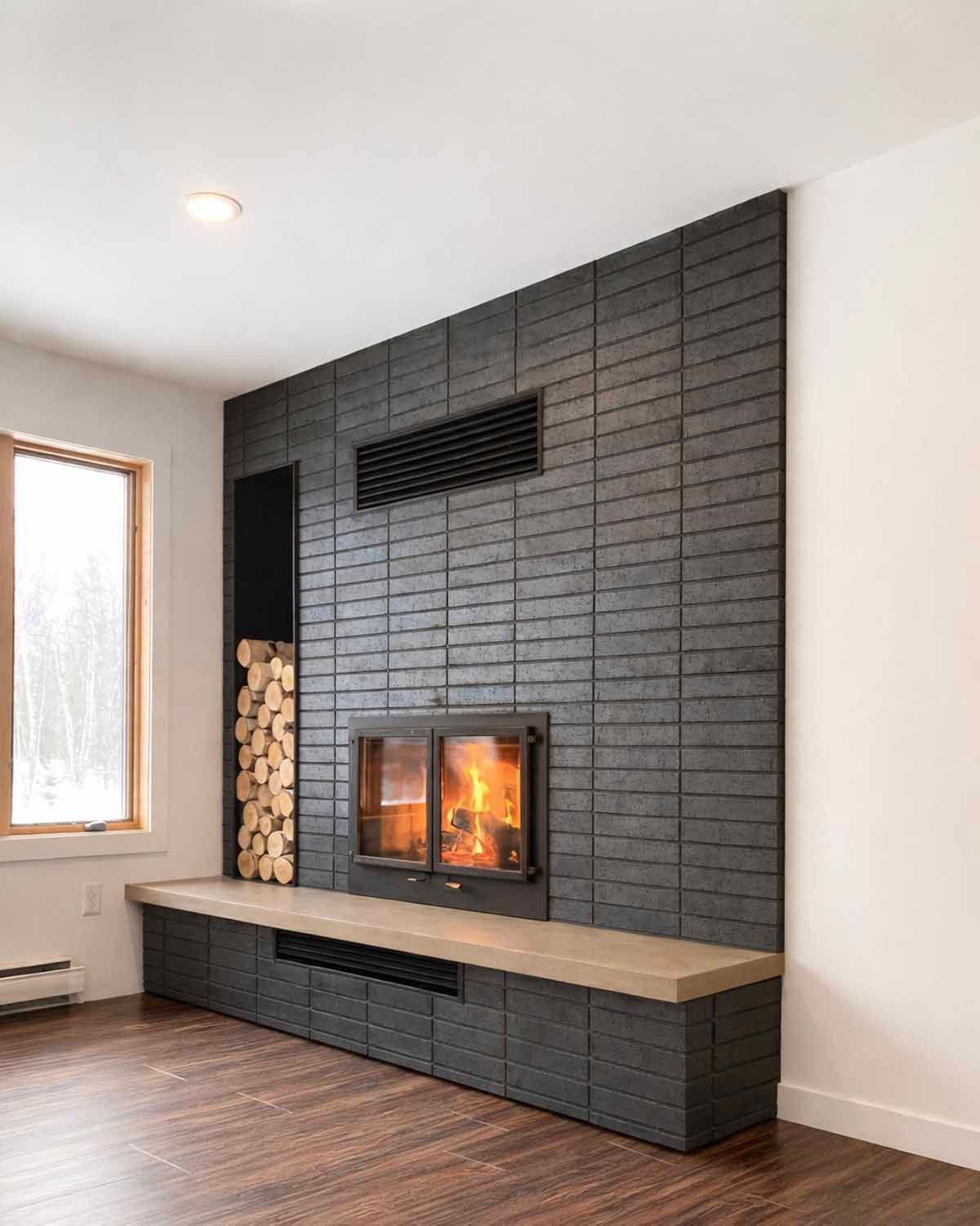
Brickwork That Defines the Structure
Architectural brick masonry services built for homes and commercial properties in Duluth.
When you see a building in Duluth with brick that wraps corners cleanly, aligns at every course, and holds up through years of weather without cracking or staining, you are looking at architectural brick masonry done right. This is not just a veneer applied over framing—it is a structural or design element that contributes to the way the building looks, performs, and ages over time.
JF Masonry LLC handles architectural brick masonry for residential and commercial projects, working with full-size clay brick, thin brick, and custom patterns that require precision cutting and layout. The work includes laying brick in running bond, stacked bond, or custom patterns, integrating flashing and weep holes to manage moisture, and matching existing brick on additions or repairs so the new section blends with the old.
If you are planning a project in Duluth that involves brick, reach out to JF Masonry LLC to go over materials, patterns, and timelines.
How Brick Masonry Changes a Building's Appearance
Your project in Duluth starts with a foundation or prepared wall that can carry the weight of the brick, followed by layout lines that mark where each course will land to keep the rows level and the joints consistent. Each brick is set in mortar, tapped into place with a trowel handle, and checked with a level before the mortar begins to set.
Once the work is complete, you will see crisp joint lines, corners that turn without gaps, and a surface that sheds water instead of soaking it in. Architectural brick does not warp, fade, or require repainting, and it holds its color for decades without treatment or maintenance beyond occasional cleaning.
The mortar joints are tooled to a concave or flush profile depending on your preference and exposure, which affects how water runs off the surface. Flashing is installed above windows, doors, and at the base of the wall to direct moisture out through weep holes rather than into the wall cavity. This work does not include interior brick veneer or non-structural accent walls, which require different anchoring methods.
What homeowners ask before the masonry begins
People in Duluth who are planning brick masonry projects often want to know how the brick attaches to the building, how long the work takes, and whether the brick will match what is already there.
JF Masonry LLC installs architectural brick masonry on homes and commercial buildings throughout Duluth, working with full-size and thin brick in standard or custom patterns. Contact us to review your project and discuss materials, layout, and scheduling.